TLDR: Prince died without a will in 2016, leaving his $156 million estate to six siblings under Minnesota law. Three siblings (including his only full sister Tyka) sold their shares to Primary Wave music company for cash, while the other three kept theirs.
The estate is now split 50/50 between family and corporate interests, and they’re still fighting in court over control.
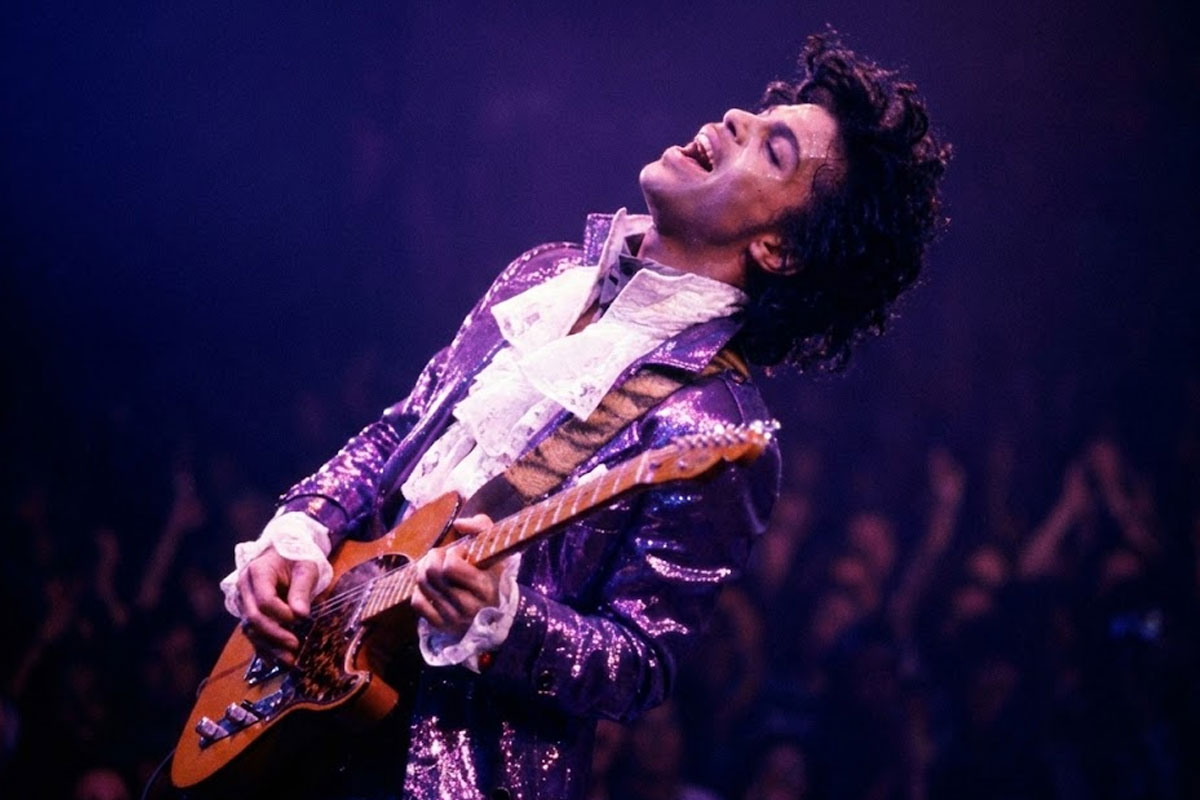
Prince spent his entire career fighting for control of his music. He literally wrote “SLAVE” on his face during his battle with Warner Bros. He changed his name to an unpronounceable symbol just to get out of his contract. He famously said, “If you don’t own your masters, your master owns you.”
Then he died without a will. No estate plan, no instructions, nothing. Just like Aretha Franklin would do two years later.
The irony is devastating. The artist who spent decades fighting for independence left behind a $156 million empire with zero guidance on what should happen to it.
What followed was six years of absolute chaos involving siblings he barely knew, a Wall Street music company, suspicious deaths, and legal battles that are still happening in 2025.
Here’s the wild story of who actually inherited Prince’s estate and what happened to it.
Prince Died Intestate and Everything Went to His Siblings
When Prince died at Paisley Park on April 21, 2016, the legal situation was immediately complicated. He had no wife, no kids, and both his parents were dead. Under Minnesota intestacy law, that meant his entire estate went to his siblings in equal shares.
Here’s the thing though. Prince had one full sister, Tyka Nelson, and five half-siblings from his parents’ other relationships. Minnesota law doesn’t distinguish between full siblings and half-siblings. They all inherited equally.
The court had to figure out who was actually related to Prince because over 45 people showed up claiming to be secret wives, long-lost children, or unknown relatives. It was a circus. One guy claiming to be Prince’s son turned out to be a prisoner with zero biological connection.
After genetic testing and over a year of investigation, the court officially declared six heirs in May 2017. Each got one-sixth of the estate (about 16.66%).
The Six People Who Inherited Prince’s Fortune
The official heirs were Tyka Nelson (Prince’s full sister), Sharon Nelson, Norrine Nelson, John R. Nelson, Omarr Baker, and Alfred Jackson (all half-siblings).
Most of them weren’t particularly close to Prince during his life. That didn’t matter legally. They were blood relatives, so they inherited everything.
But here’s where it gets messy. They inherited the estate on paper, but they couldn’t actually touch any of the money yet. The IRS had to get paid first.
The IRS Said the Estate Was Worth Double What the Family Claimed
Comerica Bank was appointed to manage the estate and file the tax return. They valued Prince’s assets at $82.3 million. The IRS took one look at that number and basically laughed.
The IRS came back with their own valuation: $163.2 million. Almost double.
The biggest fights were over Prince’s music publishing catalog (estate said $21 million, IRS said $36.9 million) and his master recordings (estate said $19.5 million, IRS said $46.5 million). The valuation of Prince’s “name and likeness” rights was also hotly contested.
This is the same kind of image rights battle that estates like Marilyn Monroe’s and Robin Williams’ have fought over for years. The IRS also hit the estate with a $6.4 million penalty for what they called “substantial undervaluation.”
This dragged on for years. The estate sued the IRS in tax court. They finally settled in January 2022 at $156.4 million, closer to the IRS number. The penalty got dropped, but the damage was done.
With federal and Minnesota estate taxes, more than half of Prince’s fortune went straight to the government. The heirs were sitting on a massive inheritance they couldn’t access while legal bills piled up to over $45 million. It’s the same tax nightmare that hit Michael Jackson’s estate, though MJ’s executors at least had a will to work from.
Primary Wave Swooped In and Bought Half the Estate
By 2019, the heirs were desperate for cash. Tyka Nelson had over $800,000 in unpaid legal bills. Alfred Jackson owed more than $900,000. They had inherited a fortune, but they were basically broke.
Enter Primary Wave, a New York music publishing company that specializes in buying up the catalogs of dead legends. They already owned pieces of Bob Marley, Whitney Houston, Stevie Nicks, Johnny Cash, and even had their eye on estates like Frank Sinatra’s.
Primary Wave approached the desperate heirs with a simple offer: sell us your share now for immediate cash, or wait years for the probate to finish with no guarantees.
Three siblings took the deal. Alfred Jackson sold 100% of his share. Omarr Baker sold 100%. Tyka Nelson, Prince’s only full sister, sold roughly 90% of hers.
Just like that, a Wall Street-backed corporation owned about half of Prince’s estate. The artist who fought his entire life to stay independent now had his legacy controlled by the exact type of company he hated.
Alfred Jackson Died Hours After Signing the Sale Documents
This is where the story gets really dark. Alfred Jackson was 66 years old and had serious health problems including Parkinson’s disease and schizophrenia. On August 29, 2019, he signed the paperwork selling his entire Prince inheritance to Primary Wave.
He died of heart failure that same day, mere hours after signing.
Alfred had left a will, but the beneficiary wasn’t family. He’d left everything to Raffles Van Exel, an entertainment consultant known for being around Whitney Houston before her death and working on O.J. Simpson’s controversial book project.
Alfred’s other siblings (who weren’t related to Prince) immediately contested the will. They claimed Alfred lacked mental capacity and that Van Exel had manipulated a sick, vulnerable man. The case settled in 2021 with the proceeds split between Van Exel and Alfred’s family.
But Primary Wave kept Alfred’s stake in the Prince estate. Legally, they now owned what he would have inherited.
The Estate Is Now Split Between Two Companies That Hate Each Other
In August 2022, six years after Prince died, the court finally closed the probate case. To handle the divided ownership, they created two separate LLCs.
Prince OAT Holdings is controlled by Primary Wave. It represents the 50% sold by Alfred, Omarr, and most of Tyka’s share. This side treats the estate like a business investment and wants to maximize profits through licensing deals and merchandise. The question of who controls music royalties versus who inherits the estate is always messy, as Aretha Franklin’s heirs learned the hard way.
Prince Legacy LLC represents the other 50% held by Sharon Nelson, Norrine Nelson, and the trust of John R. Nelson (who died in 2021). They also gave 10% to their lawyers and advisors, L. Londell McMillan and Charles Spicer, as payment for getting them through probate.
Here’s the wild part. The family doesn’t actually manage their own LLC. McMillan and Spicer control it. When Sharon Nelson tried to remove them in 2024, they sued her in Delaware court and won. The judge ruled that the family owns the shares but doesn’t have the power to fire the managers.
So Prince’s estate is now run by a Wall Street music company and two advisors, while his actual family just collects checks.
They’re Still Fighting Over Major Decisions in 2025
The split ownership creates constant gridlock. In early 2025, a major nine-hour documentary about Prince’s life (directed by the guy who made the Oscar-winning O.J. Simpson doc) got blocked by the estate.
Estate representatives claimed the film contained “sensationalized” allegations Prince would never have approved. Because both sides have to agree on major releases, the documentary is shelved indefinitely.
This is the reality now. Primary Wave wants to monetize everything. The family side wants to protect Prince’s image. Neither can make big moves without the other’s approval. It’s the opposite of how estates like Agatha Christie’s or Dr. Seuss’ operate, where tight family or corporate control means unified decision-making.
The estate has released some vault recordings and reissues of Purple Rain, 1999, and Sign o’ the Times. But compared to what they could be doing with thousands of unreleased songs sitting in the Paisley Park vault, the pace is painfully slow. Managing a celebrity brand empire posthumously is complicated even with unified control, as Hugh Hefner’s estate discovered with the Playboy brand.
The Bottom Line on Prince’s Inheritance
Legally, Prince’s six siblings inherited his $156 million estate in equal shares. Practically, three of them sold out to Primary Wave for immediate cash while dealing with crushing legal bills. One of those siblings died hours after signing the sale.
Today, the estate is split 50/50 between a Wall Street music company and the remaining family members (who don’t actually control their own half). They’re required to agree on major decisions, which means constant fights and stalled projects.
The artist who wrote “If you don’t own your masters, your master owns you” ended up having his legacy divided, taxed, and partially sold to exactly the type of corporation he spent his life fighting against. All because he never wrote a will. Contrast that with Steve Jobs, who left detailed estate planning that avoided this exact chaos.
It’s the kind of irony Prince probably would have written a song about.
Like Michael Jackson, Aretha Franklin, James Brown, Tupac, and Marilyn Monroe, Prince’s estate became a cautionary tale about what happens when music legends don’t plan for their legacy.