TLDR: Tupac died in 1996 without a will and only $105k in the bank.
His biological father tried to claim half the estate but was denied (he’d only given Tupac $820, a bag of peanuts, and a movie ticket). His mother Afeni became sole heir, founded Amaru Entertainment, and spent 20 years fighting Death Row Records to recover unreleased masters.
When Afeni died in 2016, her trust left beneficial ownership to Tupac’s half-sister Sekyiwa Shakur and the Tupac Amaru Shakur Foundation, but control went to music executive Tom Whalley.
In 2022, Sekyiwa sued Whalley alleging he embezzled $5.5 million and is holding Tupac’s gold records, jewelry, and cars hostage.
The lawsuit is still pending in 2025.
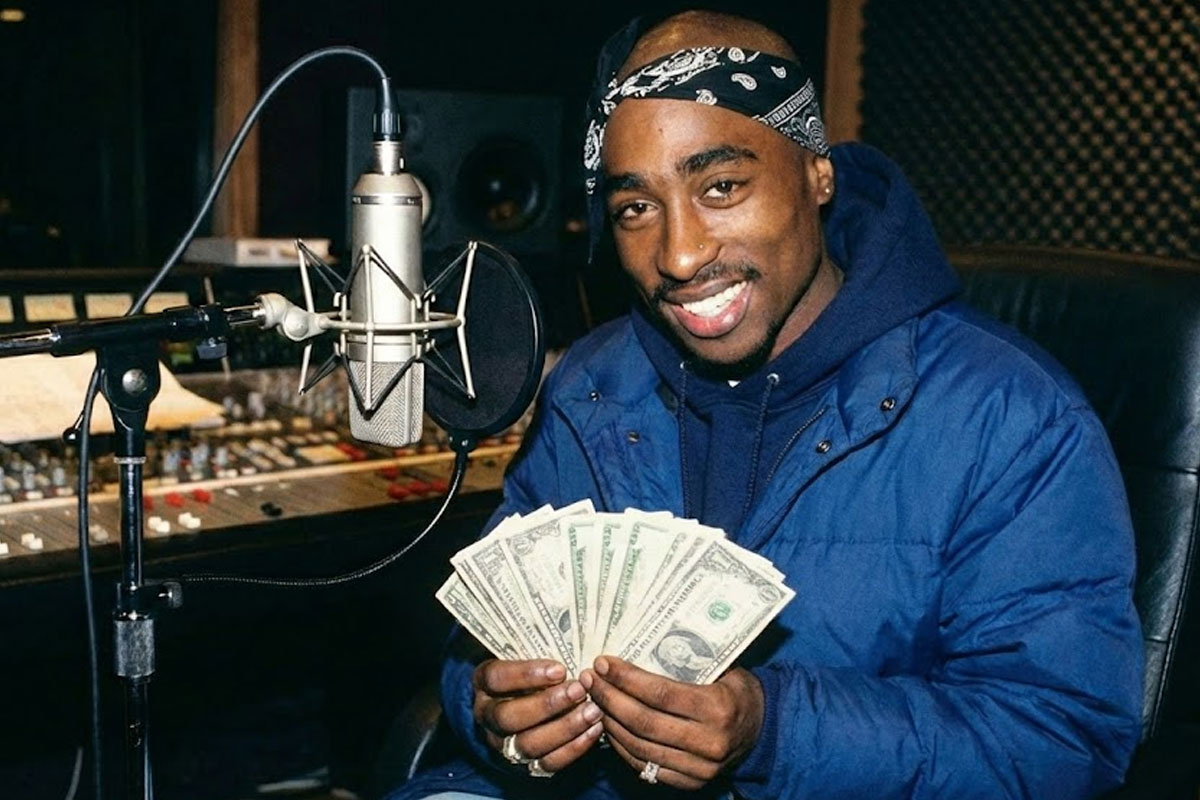
Tupac Shakur was murdered on September 13, 1996, at age 25. He died without a will, with less than $105,000 in his checking account, and owing money to Death Row Records. But he left behind a vault of unreleased master recordings worth millions.
What followed was nearly 30 years of legal warfare. First, his biological father tried to claim half the estate (and got shut down spectacularly by a judge). Then his mother Afeni spent two decades fighting Death Row Records to recover Tupac’s music.
When she died in 2016, she left the money to Tupac’s half-sister Sekyiwa but gave control to a music executive named Tom Whalley.
Now Sekyiwa is suing Whalley, alleging he’s embezzled $5.5 million, refuses to give her Tupac’s personal belongings (gold records, jewelry, cars), and won’t provide transparent accounting. Whalley says he turned the estate from insolvent to profitable and deserves his fees.
Unlike estates that descended into chaos like Prince’s (no will, 6 years of fighting) or Aretha Franklin’s (jury trial over couch will), Tupac’s estate had a mother who consolidated control.
But like Michael Jackson’s estate where executors made $148 million in fees, Tupac’s estate is now fighting over whether the trustee is taking too much.
This is the story of who really inherited Tupac’s fortune and the brutal legal fight still raging almost 30 years later.
Tupac Died With No Will and Only $105k in the Bank
When Tupac died in 1996, people assumed he was rich. He was one of the biggest rap stars in the world. But legal audits revealed the harsh truth: he had less than $105,000 in his checking account, two cars, and a small life insurance policy. He owned no real estate.
Most of his money had gone to Death Row Records as advances. He was technically in debt to the label. His lavish lifestyle had been financed on credit.
But the estate had one massive asset: intellectual property rights to his published works and a huge vault of unreleased master recordings. The problem was these recordings were locked up with Death Row Records, owned by Suge Knight.
Because Tupac died “intestate” (without a will), California law determined who inherited. Under state law, when an unmarried person with no children dies, the estate goes to their parents. This triggered the first major legal battle.
His Biological Father Tried to Claim Half – The Judge Said Hell No
William “Billy” Garland emerged shortly after Tupac’s death claiming he was the biological father and wanted 50% of the estate. Post-mortem DNA testing confirmed he was Tupac’s biological father.
Afeni Shakur, Tupac’s mother, fought this hard. She invoked California law that says for a parent to inherit from a non-marital child, they must prove not just biology but a “substantial relationship” involving care and support during childhood.
The evidence presented to the judge was devastating. Garland’s total contribution to Tupac’s life: approximately $820 in financial support, a bag of peanuts, and a single movie ticket. That’s it. That’s what he gave over Tupac’s entire childhood.
The judge ruled this didn’t meet the threshold for a “substantial relationship.” Billy Garland was legally disinherited. Afeni Shakur became the sole heir and administrator of the entire estate.
This was critical. If Garland had won 50%, the estate would have been paralyzed by deadlock between two estranged parents. Instead, Afeni got 100% control and could move forward with a unified strategy.
Afeni Founded Amaru Entertainment and Went to War With Death Row Records
In 1997, Afeni Shakur founded Amaru Entertainment, Inc. to hold the copyrights, trademarks, and master recordings. This separated business assets from her personal finances and professionalized the estate management.
Her objective: recover all intellectual property locked up in the Death Row ecosystem. This meant years of litigation.
The Death Row Bankruptcy Settlement (2007): When Death Row Records collapsed and Suge Knight went bankrupt in 2006, Afeni filed massive claims. The bankruptcy court awarded the estate $668,121.76 and, more importantly, possession of numerous unreleased master tapes.
The Entertainment One Litigation (2013-2018): Afeni sued Entertainment One (eOne), the company that bought Death Row’s assets. She alleged breach of contract and sought return of all remaining unreleased masters.
Although Afeni died in 2016 before the case concluded, the estate won in 2018.
The court ordered eOne to pay six figures in royalties and return all unreleased recordings.
This victory completed the consolidation of Tupac’s musical output under a single entity. Managing complex music catalogs and fighting for rights is similar to battles in estates like James Brown’s (which sold for $90M after years of litigation) or those managing valuable music royalties.
Afeni Created a Trust and Named Tom Whalley as Controller
Afeni knew she was mortal. In 2004, she created the Afeni Shakur-Davis Separate Property Trust to control the estate after her death. She amended it multiple times through 2015.
The critical move came in the Third Amendment (October 19, 2013): she appointed Tom Whalley as co-Trustee and Special Trustee. Whalley was a music industry veteran who had signed Tupac to Interscope Records back in 1989. This signaled Afeni wanted professional, not family, management of the business.
When Afeni Shakur died on May 2, 2016, the trust became irrevocable. The assets were allocated to specific beneficiaries: Sekyiwa Shakur (Tupac’s half-sister) as primary individual beneficiary, the Tupac Amaru Shakur Foundation (charitable entity), plus other family trusts.
But control went to Tom Whalley. He became Special Trustee with “absolute discretion” over managing Amaru Entertainment. This is where the problem starts.
Whalley Controls the Business, Sekyiwa Gets the Money – Theoretically
Here’s the structure: Tom Whalley holds legal title as Trustee (the right to buy, sell, license, manage). Sekyiwa Shakur holds equitable title (the right to the benefits – the money generated).
Whalley is supposed to be a fiduciary – legally obligated to manage assets solely in the best interests of beneficiaries. But there’s a structural conflict: Whalley is both Trustee (controls the trust) AND Manager (runs Amaru Entertainment).
Since the trust owns Amaru, Whalley essentially reports to himself. As Trustee, he appoints the manager of Amaru (himself). As Manager, he sets his own compensation, which he then approves as Trustee.
This “double-dipping” potential is exactly what Sekyiwa’s lawsuit challenges.
In 2022, Sekyiwa Sued Whalley for Embezzling $5.5 Million
In January 2022, Sekyiwa Shakur and the Tupac Amaru Shakur Foundation filed a lawsuit in Los Angeles Superior Court challenging Tom Whalley’s management. The allegations are brutal.
Embezzlement:
They claim Whalley has “embezzled” approximately $5.5 million over five years. The theory is that he’s taking excessive fees by paying himself through Amaru Entertainment rather than solely through regulated trustee fees.
By funneling money through the corporation, he allegedly avoids scrutiny and statutory caps on trust compensation. They call it using the estate as a personal “piggy bank.”
Holding personal property hostage:
Sekyiwa says she inherited Tupac’s personal effects – gold records, jewelry (including the iconic “Euphanasia” medallion), and cars. She claims Whalley refuses to release them, instead keeping them in storage or using them for exhibits.
Whalley’s justification:
he says keeping the collection intact maximizes value for museum leases (like the “Wake Me When I’m Free” exhibit). Sekyiwa views this as theft – those are family heirlooms that should be in her home.
Lack of transparency: Sekyiwa’s legal team argues Whalley failed to provide adequate accounting. When a court-ordered report was produced in July 2022, they slammed it as “woefully short of compliance” with no backup documentation like IRS tax returns.
Personal property disputes in celebrity estates are common, as seen in Robin Williams’ estate where his widow and kids fought over watches and bikes, or Marilyn Monroe’s 1999 auction where personal items sold for $13.4 million.
Whalley Says He Turned the Estate From Insolvent to Profitable
Tom Whalley’s defense, represented by attorney Howard King, focuses on financial success. He argues that when he took over management of Amaru (at Afeni’s request before she died), the entity was “virtually insolvent.” His expertise turned it into solid financial footing, justifying his compensation.
He contends Afeni specifically structured the trust to have him manage because she knew Sekyiwa lacked the industry experience to handle a catalog of this magnitude.
The trust text grants the Special Trustee “absolute discretion” to withhold distribution of assets if it benefits the trust corpus.
As of late 2025, the lawsuit remains pending. Sekyiwa’s team has demanded appointment of an independent CPA to audit the trust and Amaru Entertainment. The court is weighing whether to strip Whalley of his powers or accept his accounting.
The Estate Runs the “Wake Me When I’m Free” Exhibit Using Tupac’s Personal Items
While the legal battle rages, the business continues. A central revenue strategy is the immersive museum experience “Tupac Shakur: Wake Me When I’m Free” which opened in Los Angeles.
This exhibit monetizes the very items Sekyiwa is suing over – handwritten lyrics, clothing, gold records, personal artifacts. For Whalley, these are inventory for a profitable exhibit business. For Sekyiwa, they’re family heirlooms being held hostage.
The estate has also launched the Powamekka Café, a restaurant concept based on sketches and menus Tupac hand-wrote before his death. This aligns with Whalley’s strategy of mining the archives for non-musical IP that can be franchised.
In a major media play, the estate authorized a documentary directed by Academy Award winner Steve McQueen (12 Years a Slave). Tom Whalley and Tupac’s aunt Gloria Cox are listed as executive producers, indicating some family cooperation despite the broader litigation.
Drake Used AI to Make Tupac Diss Kendrick Lamar – The Estate Shut It Down
In April 2024, rapper Drake released “Taylor Made Freestyle,” a track that used AI to simulate Tupac’s voice dissing Kendrick Lamar. Tom Whalley and the estate acted within 24 hours, sending a cease-and-desist letter threatening immediate litigation.
Drake removed the track. This shows the estate’s role as gatekeeper of Tupac’s digital likeness. With legislation like Tennessee’s ELVIS Act (Ensuring Likeness, Voice, and Image Security) in 2024, estates have stronger legal grounds to sue for unauthorized AI replications.
Protecting intellectual property is constant work, as estates like Frank Sinatra’s (which sued tribute shows) and Agatha Christie’s (protecting literary works) have learned.
The Estate Faces a $5 Million Copyright Lawsuit Over “White Man’z World”
In 2025, the estate of Dr. Khallid Abdul Muhammad sued the Tupac estate for copyright infringement. They claim Tupac sampled a speech from the 1993 “Black Holocaust Nationhood Conference” in the song “White Man’z World” without permission.
The lawsuit seeks $5 million, an injunction against the song, and impoundment of materials. It names the estate, Interscope, Death Row, and Suge Knight. A victory for Muhammad’s estate could force removal of the song from streaming or a massive settlement, directly impacting income to Sekyiwa and the Foundation.
Hip-hop catalogs from the 1990s often have uncleared samples, creating constant liability. Similar copyright battles have affected estates managing valuable catalogs across music genres.
The Bottom Line on Tupac’s Inheritance
Tupac died in September 1996 without a will, with less than $105k in the bank but a vault of unreleased masters. His biological father Billy Garland tried to claim 50% but was denied by a judge (he’d only contributed $820, a bag of peanuts, and a movie ticket to Tupac’s upbringing).
Afeni Shakur became sole heir. She founded Amaru Entertainment in 1997 and spent 20 years fighting Death Row Records to recover masters. She won bankruptcy settlements in 2007 ($668k plus masters) and litigation against Entertainment One (2018, six figures plus all unreleased recordings).
Afeni created the Afeni Shakur-Davis Separate Property Trust in 2004, amended multiple times. The critical Third Amendment (2013) appointed Tom Whalley as Special Trustee with absolute discretion over Amaru Entertainment.
When Afeni died May 2, 2016, beneficial ownership went to: Sekyiwa Shakur (Tupac’s half-sister, primary beneficiary), Tupac Amaru Shakur Foundation (charitable entity), plus other family trusts. But control went to Tom Whalley as Special Trustee.
January 2022:
Sekyiwa and the Foundation sued Whalley alleging: embezzlement of $5.5M over 5 years (excessive fees through Amaru rather than regulated trustee fees), conversion of personal property (refusing to release gold records, jewelry, cars – using them for exhibits instead), lack of transparency in accounting.
Whalley’s defense:
turned estate from “virtually insolvent” to profitable, Afeni specifically chose him because Sekyiwa lacked industry experience, trust grants him “absolute discretion.” Lawsuit still pending in 2025 with demands for independent CPA audit.
Current estate operations:
“Wake Me When I’m Free” immersive exhibit (using disputed personal items), Powamekka Café (based on Tupac’s sketches), Steve McQueen authorized documentary, aggressive AI voice protection (shut down Drake’s 2024 AI Tupac track).
External threats:
Dr. Khallid Abdul Muhammad estate suing for $5M over unauthorized sample in “White Man’z World” (2025).
This estate is fundamentally different from others. Unlike Prince’s estate where siblings inherited equally (then sold half to Primary Wave), or Whitney Houston’s where family inherited directly, Tupac’s estate separated beneficial ownership (Sekyiwa gets money) from control (Whalley manages business).
Similar to Michael Jackson’s estate where executors control business while kids are beneficiaries, but Jackson’s kids will eventually inherit. With Tupac, Whalley has permanent control as long as he remains trustee.
The tension is classic estate planning conflict: professional management (what Afeni wanted by appointing Whalley) versus beneficiary control and transparency (what Sekyiwa wants). It’s playing out in court with allegations that would make any estate attorney cringe.
Unlike estates that avoided fighting through careful planning like Steve Jobs’ (clean trust transfer to widow) or Dr. Seuss’ (foundation ownership), or those that became corporate like Marilyn Monroe’s (Authentic Brands Group), Tupac’s estate is stuck in active litigation almost 30 years after his death.
Afeni’s decision to give Whalley “absolute discretion” created this mess. She trusted him completely. Sekyiwa doesn’t. The trust language is now being litigated to determine what “absolute discretion” actually means when the beneficiary is alleging embezzlement.
From a financial perspective, Whalley has a point – the estate went from insolvent in 1996 to generating millions annually. The museum exhibits, restaurant concepts, and documentary deals show aggressive brand management.
But from Sekyiwa’s perspective, she’s the heir who can’t access her brother’s personal belongings and can’t verify the finances.
The personal property fight is particularly emotional. Unlike estates where items were cleanly distributed like Robin Williams’ (eventually settled) or auctioned like Aretha Franklin’s gowns, Tupac’s gold records and jewelry are being held by the trustee for “investment purposes” (exhibits) against the beneficiary’s wishes.
Compare to estates that sold catalog rights for massive sums like James Brown’s ($90M to Primary Wave) or Frank Sinatra’s (sold to Iconic Artists Group). Tupac’s estate is actively managed but the beneficiary is locked out of decisions.
The lawsuit outcome will determine everything. If Sekyiwa wins, Whalley gets removed and she gains control (or a new trustee is appointed). If Whalley wins, he continues managing with “absolute discretion” and Sekyiwa remains a beneficiary with limited rights.
Like estates fighting over control such as Johnny Cash’s or Hugh Hefner’s, family dynamics affect management even when professional trustees are involved. But Tupac’s case is extreme because the beneficiary and controller aren’t even related.
The estate planning lesson: “absolute discretion” language can create tyranny. If you’re going to appoint a professional trustee, include mechanisms for beneficiary oversight – mandatory accountings, independent audits, removal provisions.
Afeni trusted Whalley completely. Her daughter doesn’t, and the trust doesn’t give Sekyiwa enough power to challenge him effectively.
Afeni Shakur’s legacy is mixed. She brilliantly consolidated the estate, defeated Billy Garland, recovered the masters from Death Row, and built a valuable catalog. But her choice to give one man “absolute discretion” with no family oversight has created a legal nightmare for her daughter.
Tupac died at 25 with nothing. His mother turned it into millions. Now his sister is fighting to access that wealth while the trustee uses her brother’s gold records for museum exhibits.
It’s been almost 30 years and the inheritance is still being contested in court.
That’s the Tupac estate in a nutshell.